ICU Ambulance vs Basic Ambulance: What’s the Difference?
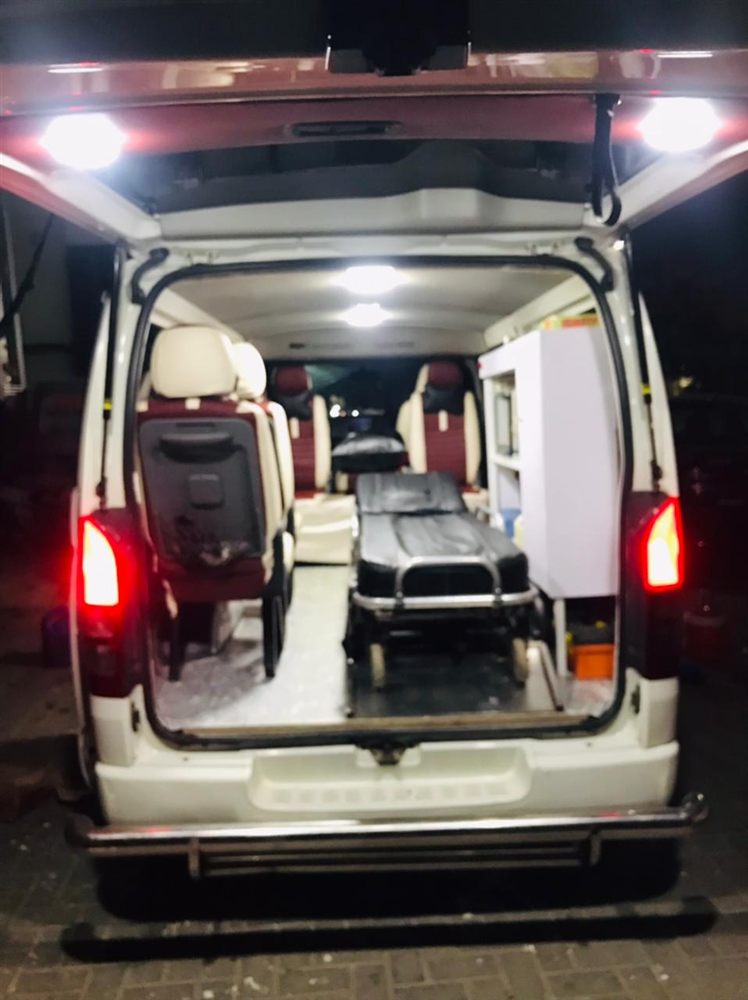
Not every ambulance is built the same, and the difference matters more than most people realize until they need one. Here's a plain-language breakdown.
Basic (BLS) ambulance
A Basic Life Support ambulance is designed for stable patients who need transport but aren't in active medical crisis — for example, moving someone for a scheduled appointment, a minor injury, or a discharge from hospital. It typically has a stretcher, seating, and basic first-aid supplies.
ICU-equipped ambulance
An ICU or Advanced Life Support ambulance is built for patients who need active monitoring or life support during the journey. This includes:
- Oxygen supply for patients with breathing difficulty
- Ventilator support for patients unable to breathe adequately on their own
- BiPAP/CPAP for patients with respiratory distress who don't need full ventilation
- Cardiac monitoring equipment
- A paramedic trained to manage these systems in transit, not just drive
When do you need which?
If the patient is stable, conscious, and simply needs to get from one place to another — a basic ambulance is usually enough. If the patient is unconscious, struggling to breathe, has an unstable heart condition, or is being transferred between hospitals in critical condition, you need an ICU-equipped ambulance with trained paramedics on board.
Ask before you book
When you call for an ambulance, describe the patient's condition clearly and ask directly: "Is this an ICU-equipped ambulance with oxygen and ventilator support?" Don't assume — confirm it, especially for critical or post-ICU hospital-to-hospital transfers.
Need an ambulance in Karachi right now?
MH 24/7 is available around the clock — call or WhatsApp for immediate dispatch.